Kidney Transplantation
Specialist surgical care for patients with kidney failure
What is Kidney Transplantation?
A healthy kidney to replace a failed one
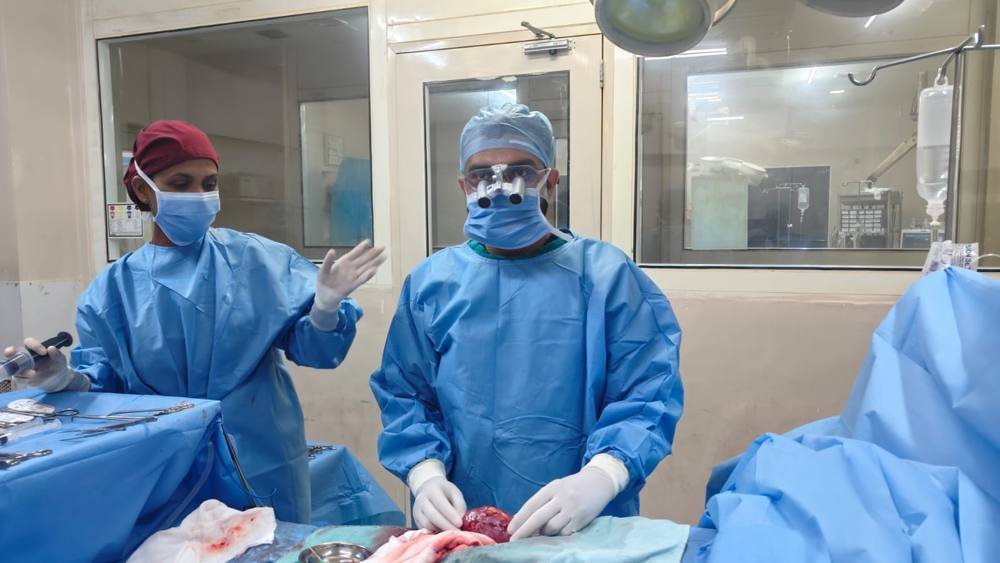
Kidney transplantation is a surgery in which a healthy kidney from a donor is placed in a person whose own kidneys have stopped working properly. For many patients it can be an alternative to long-term dialysis.
When it may be considered
Transplantation may be considered when kidney function has fallen very low. Whether it is right for you is decided after a detailed evaluation.
When it may be considered
Understanding the treatment journey
1. Consultation
Discussion of your history, reports and concerns.
2. Evaluation
Tests and assessment of the patient and donor.
3. Surgery
Transplant surgery by the specialist team.
4. Recovery & Follow-up
Medicines and regular check-ups for long-term care.

Surgical Expertise
Why specialist care matters
Kidney transplantation needs advanced surgical skill and careful follow-up. Dr. Thummar is trained in this super-specialty at IKDRC-ITS, Ahmedabad.
Patient & Family Support
Transplant affects the whole family. Dr. Thummar takes time to answer questions and explain each step.
FAQ
Common questions
Dr. Shailesh Thummar is a Consultant Urologist and Transplant Surgeon with advanced training in Urology and Kidney Transplantation from the Institute of Kidney Diseases and Research Centre (IKDRC), Ahmedabad.
Dr. Shailesh Thummar provides consultation and treatment for various urological conditions, including kidney stones, prostate disorders, urinary tract problems, urinary infections and other diseases affecting the urinary system.
Yes. Dr. Shailesh Thummar has specialised training in kidney transplantation and is involved in the evaluation and surgical management of patients requiring kidney transplant procedures.
A kidney transplant may be considered for patients with advanced or end-stage kidney disease when the kidneys can no longer adequately perform their essential functions. Suitability depends on a detailed medical evaluation.
The evaluation may include blood tests, imaging, medical history, kidney-function assessment and other investigations. The transplant team also evaluates the patient’s overall health and suitability for surgery.
In appropriate circumstances, a medically suitable living relative may be considered as a kidney donor. Donor eligibility is determined through detailed medical, psychological and legal evaluation according to applicable regulations.
A living-donor transplant uses a kidney donated by a medically suitable living person, while a deceased-donor transplant uses a kidney donated after the donor’s death. The appropriate option depends on medical suitability, availability and applicable regulations.
The duration of kidney transplant surgery can vary depending on the patient’s condition, surgical complexity and other factors. The transplant team can provide more specific information after evaluation.
After transplantation, patients require regular medical follow-up, prescribed medicines, monitoring of kidney function and lifestyle guidance. Long-term follow-up is an important part of successful transplant care.